
HUMAN SYSTEMS improves overall system performance through the integration of humans and systems by applying sound ergonomics and human factors.. We generate solutions by using innovative and cost-effective techniques to optimise system design and operation to fit human capabilities and limitations, that reduce training effort, maintenance and system life cycle costs. HUMAN SYSTEMS enables individuals and teams to be more efficient, to be better at performing their tasks and to do it safely.
Vision
Our vision is to be acknowledged for excellence in creating and implementing integrated human systems.
Mission
HUMAN SYSTEMS' mission is to be principally influential in providing human systems integration solutions and services, including ergonomics and human factors, to effectively address client analysis, development and evaluation requirements.
We have clear values
Client Focussed
Our success derives from understanding our clients, to whom HUMAN SYSTEMS is committed to deliver exceptional service. We value the relationship we have with our clients and we work hard to earn their trust.
Results
We accept responsibility for our commitments. We always expect to be accountable for our results. We pride ourselves on adapting to the situation in order to accomplish the task.
Execution Excellence
We insist on excellence in all we do for our clients and ourselves.
Key personnel
JR Smith (B.Eng, MSc(Med)), a qualified and ESSA registered Certified Professional Ergonomist (CPE).
We improve overall system performance and safety.
We analyse complex human operations. We determine human constraints in operations and develop commensurate solutions.
We develop solutions for human systems integration.
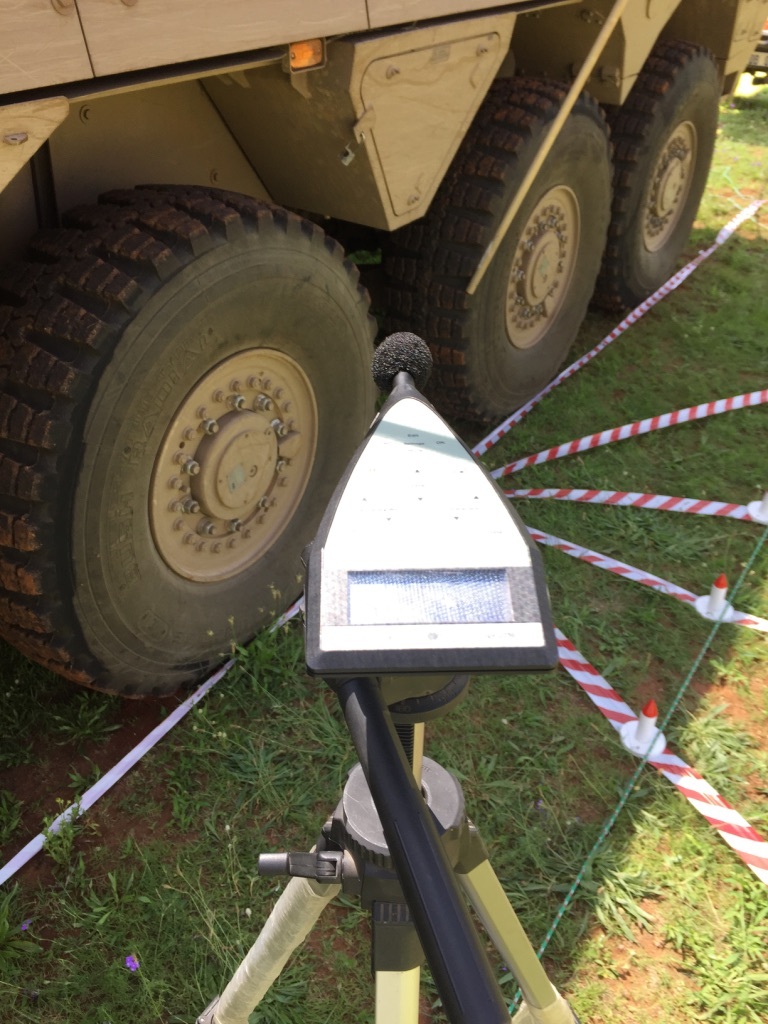
We measure human and system performance,
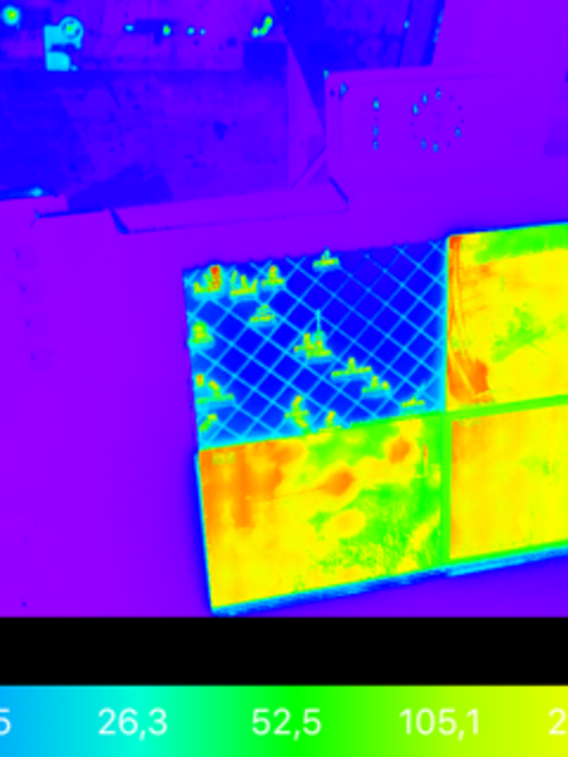
human stressors and environmental conditions.
Ergonomics Assessments for Workplace Ergonomics Regulations compliance
Cognitive, Organisational and Physical Ergonomics assessments
Identification, analysis and review of ergonomics hazards
Recommendation of appropriate risk controls
Reporting for compliance purposes
Whole-body vibration measurement and analysis
Hand-arm vibration measurement and analysis
Time domain vibration recording
Multiple shock vibration evaluation
Whole-body acceleration and impact measurement and analysis
Seat effective amplitude transmissibility (SEAT) measurement for vehicles
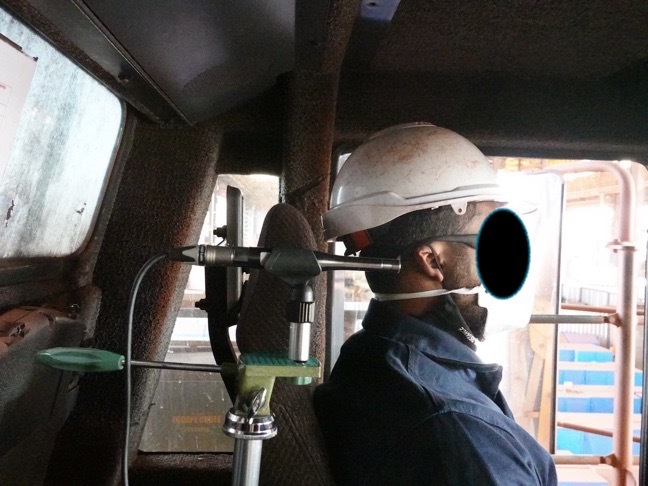
Noise and environmental noise measurement (class 1)
Luminance and illumination measurement and assessments
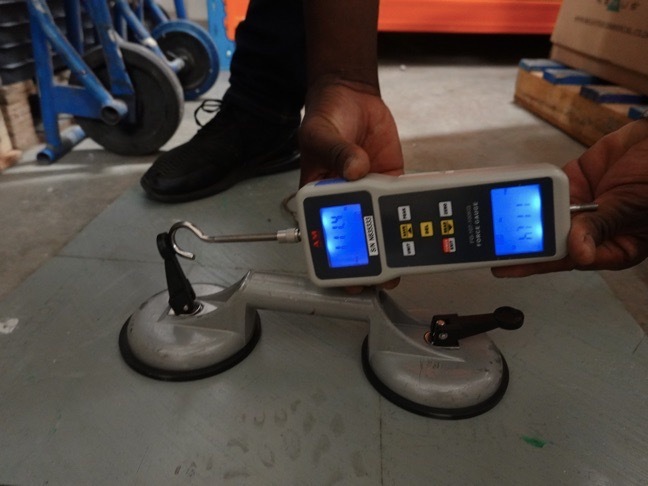
Human force exertion measurements
Work environmental condition measurement; temperature, humidity, wind speed
External environment condition measurement; wind speed, wind direction, temperature, humidity, solar radiation, precipitation
Slip, trip and fall and fall from height case reconstruction
Understanding liability of human errors associated with poor design
Liability of product related injuries
Application of systems human factors approaches to incident analysis
Expert witness reporting and court testimony
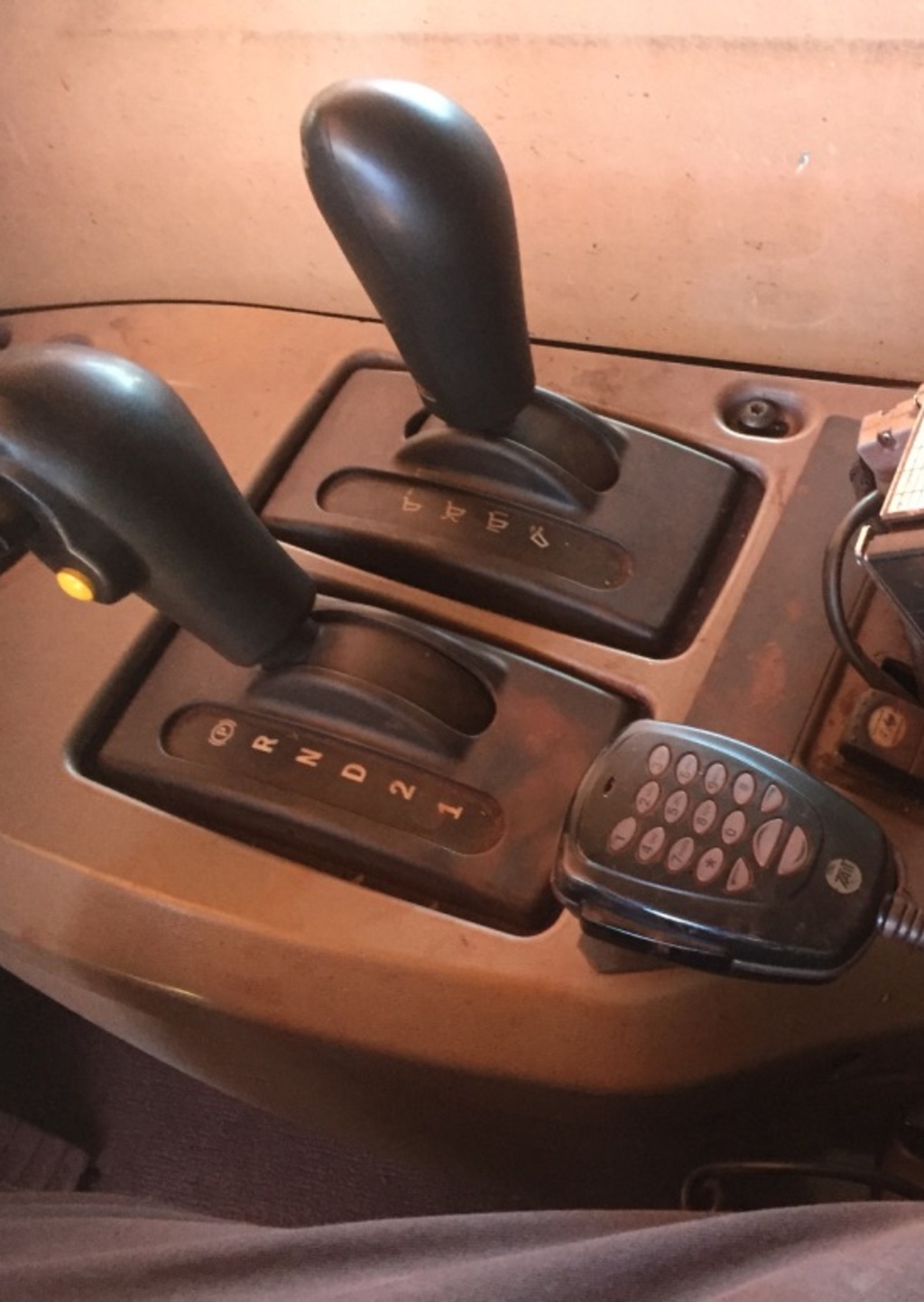
Human-Machine Interface Design/Evaluation
Human-Computer Interface Design/Evaluation
Usability Evaluation
User Population Anthropometry Analysis
Ergonomics Design Specifications
Control Panel Design and Evaluation
Workstation Ergonomics Assessment
Control and Display Integration
Workstation Design and Evaluation
Reach and Access Design and Evaluation
Human Force Capability determination
Cognitive Task Analysis
Human Performance Measurement
Human Performance Modelling
Mental Workload Measurement
Situation Awareness Evaluation
Human Error Identification and Prediction
Human Reliability Assessment
System Automation Requirements
Perceptual Evaluations
Human-Systems Integration
Human Factors Engineering
Allocation of Human and Machine Functions
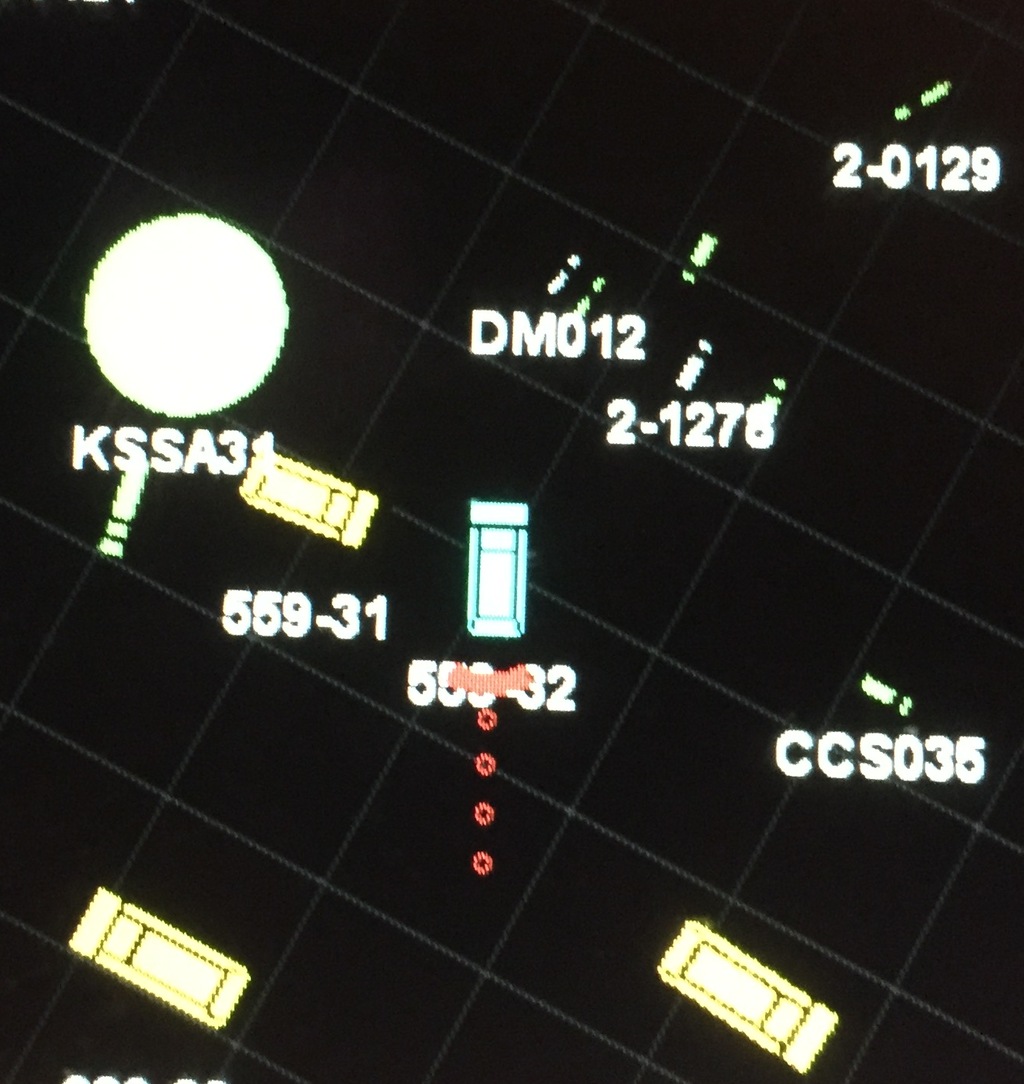
Cognitive ergonomics is concerned with human mental processes, such as perception, attention, vigilance, memory, reasoning and motor response as they affect interactions among humans and other elements of a system. It also includes the constructs of mental workload, situation awareness, mental models for decision-making, skilled performance, human-machine and human-computer interaction, human reliability, work stress and training as they relate to human-system interaction design. Cognitive ergonomics services are focused on designing equipment, systems and environments based upon the human’s psychological capability and limitations rather than strictly on human physical and physiological constraints. The objective of applying cognitive ergonomics is to improve overall system performance (human and equipment performance) and system safety. This is achieved by providing optimised human-system interaction that supports cognitive tasks, manages cognitive workload and reduces the probability of human error.
HUMAN SYSTEMS is a specialist cognitive ergonomics service provider. We develop, design, evaluate and assess tasks within the domain of cognitive ergonomics by using appropriate analysis tools and methods that characterise the human cognitive elements that influence the performance and safety of systems. Human performance analysis, human performance simulation, human reliability analysis, human error assessment, metal workload measurement, situation awareness assessment and the application of demand-resource theory to complex systems are some of the methods that are utilised by HUMAN SYSTEMS in conducting its work. These capabilities are supported by extensive application experience and allows HUMAN SYSTEMS to perform its services on a technically advanced level.
The techniques and measurement methods in the cognitive ergonomics domain that HUMAN SYSTEMS offers its clients include:
The physical ergonomics services that HUMAN SYSTEMS offers to clients are concerned with human anatomical, anthropometric and biomechanical characteristics that relate to the physical interaction of the human within natural or induced work environments. This allows for the variability of the user population's physical dimensions, strength, postural and body movement capabilities and together with supporting ergonomics principles are taken into account to improve on the efficiency and safety of tasks conducted within work settings.
These services include:
Anthropometry
Biomechanics
Ergonomics evaluation of occupant workplace and workstations
Ergonomics evaluation and design recommendations for products, tools and equipment
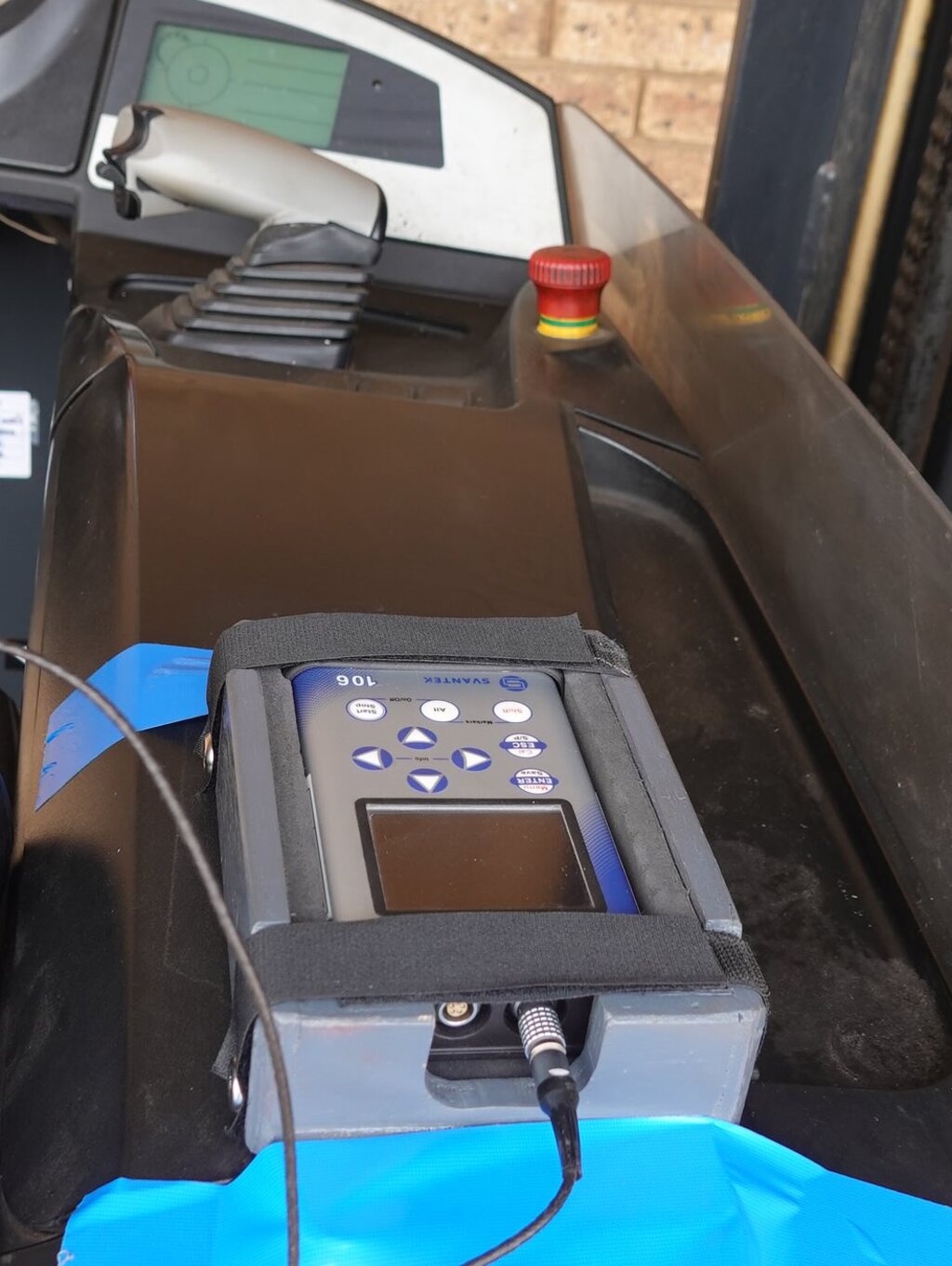
Sound HCI and HMI design facilitates the perception of information and supports situation awareness for decision making. Furthermore, sound interaction methods reduce operator workload and the probability of human error since it considers human cognitive and physical capabilities and limitations. In process control operations and for critical functional control actions, the interface design commonly incorporates alarm and interlock systems. In these cases, a poorly defined alarm management philosophy or a poorly implemented interlock system contributes to operator workload and leads to frustration or confusion that can impact negatively on system performance, human reliability and system safety.
For existing systems HUMAN SYSTEMS offers a line of consulting services to evaluate current human-computer and human-machine interfaces and is able to recommend achievable performance enhancing improvements. For new systems HUMAN SYSTEMS leverages its expertise in ergonomics to determine the functional and physical interface requirements for interface development and evaluation that is aligned with suitable technology implementation and human aptitudes (cognitive and physical capabilities), knowledge, skills and experience levels of the user population.
The HMI and HCI services that HUMAN SYSTEMS offers include:
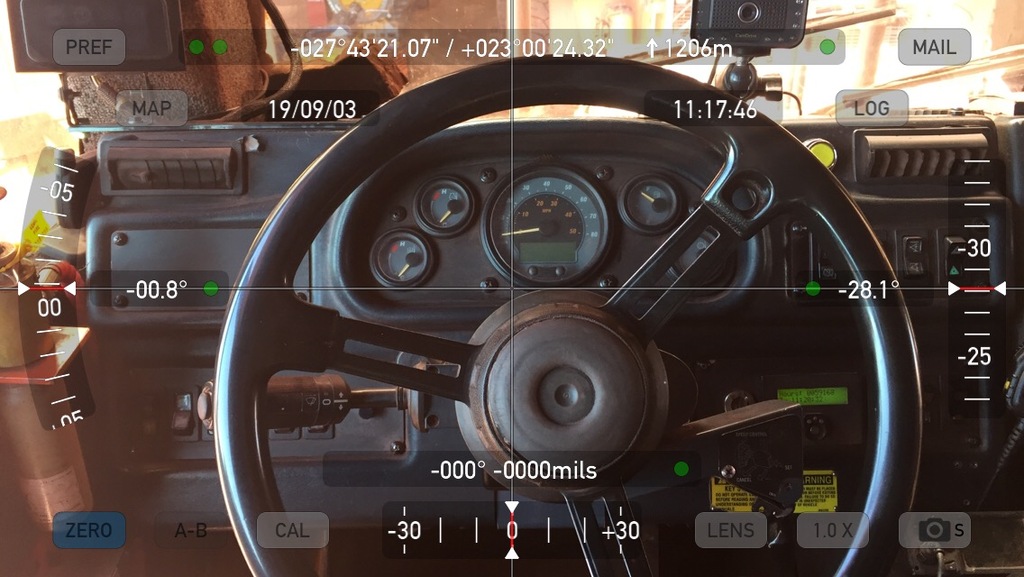
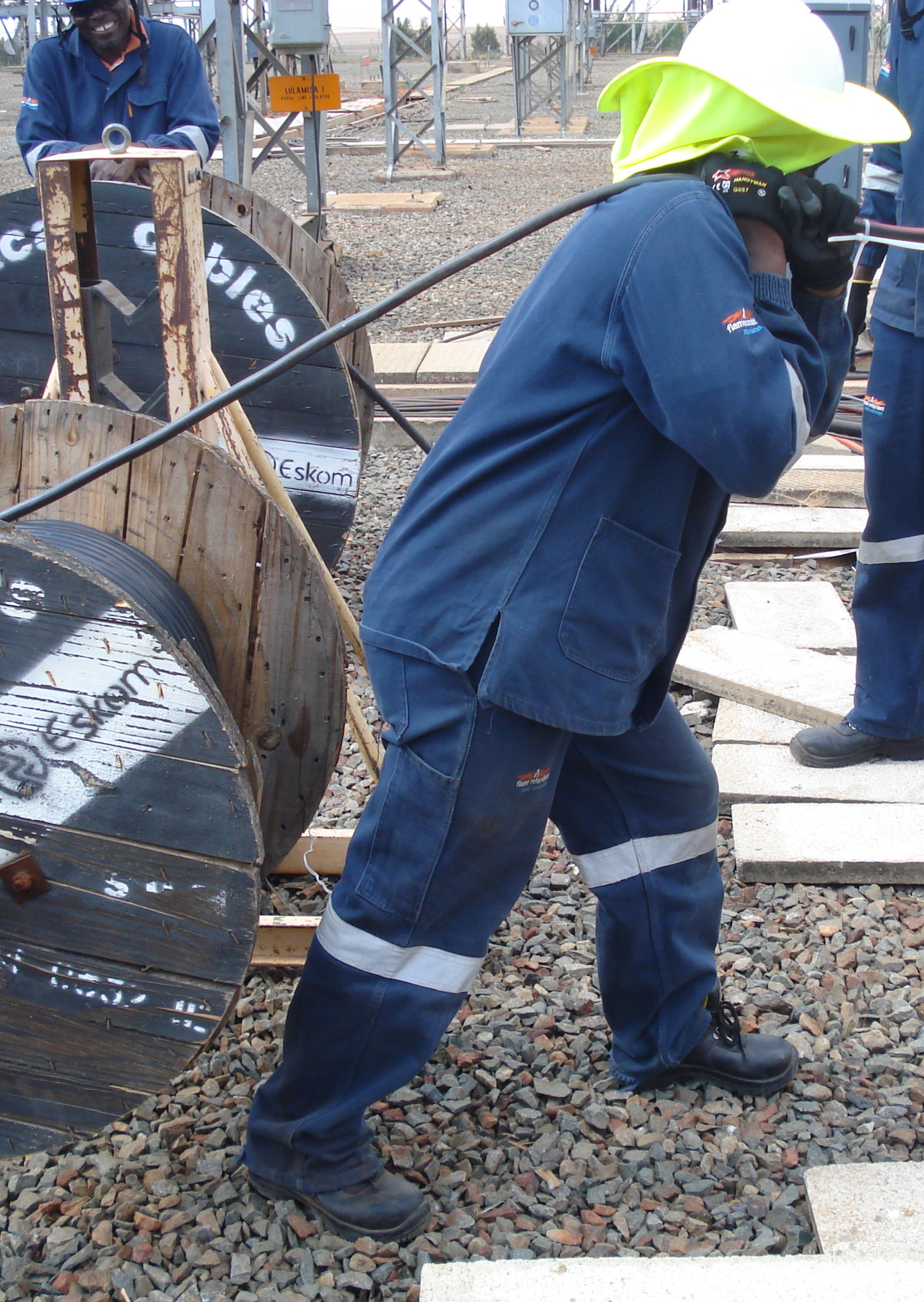
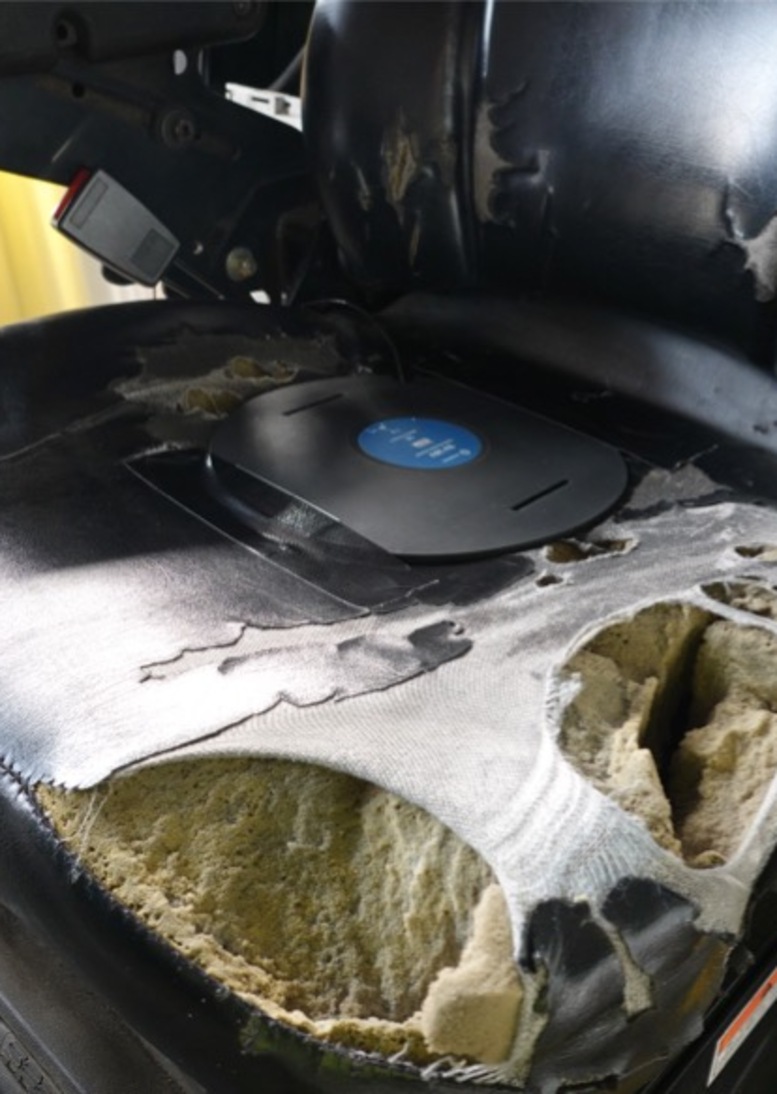
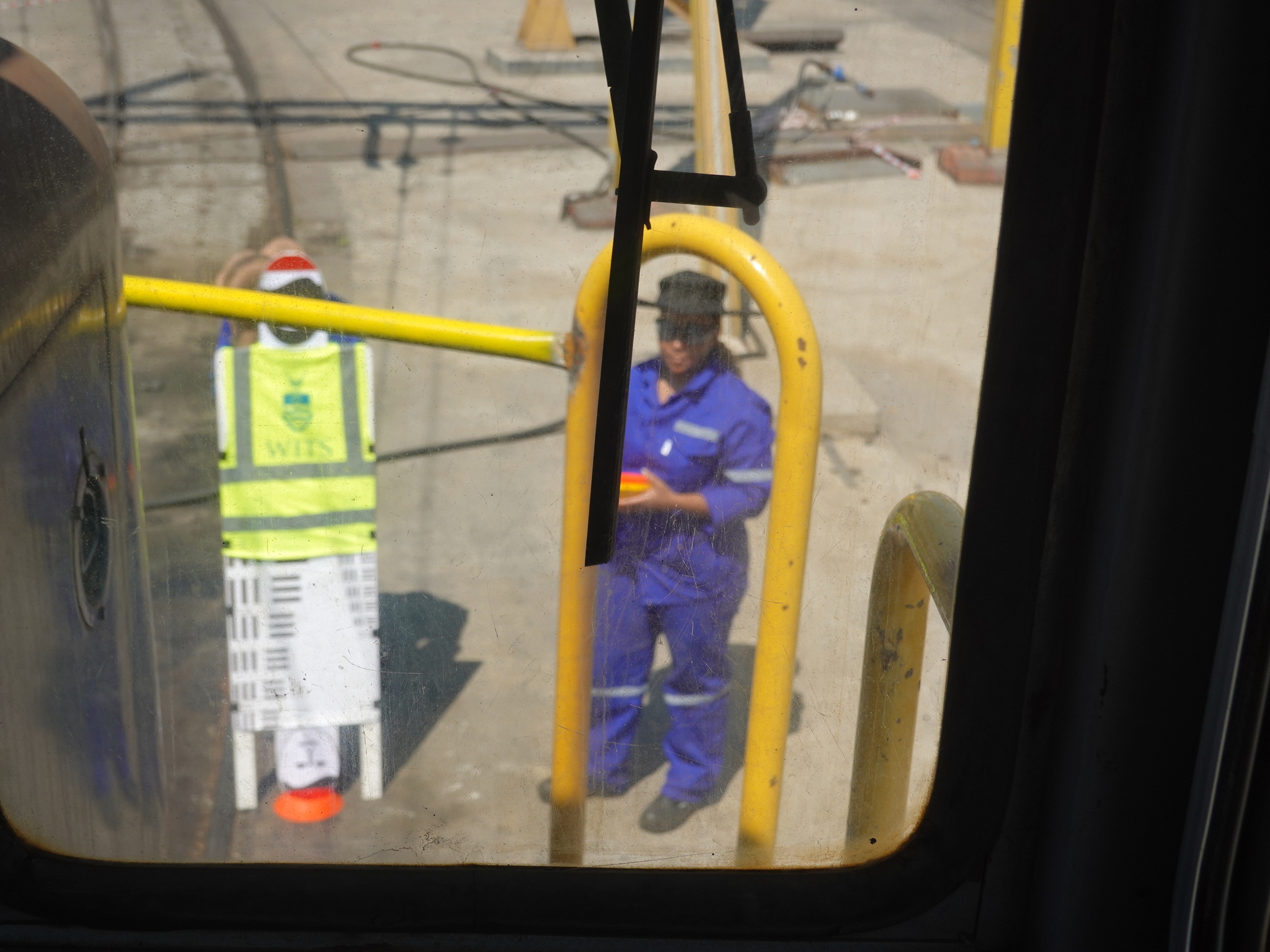
Current work involves physical, organisational and cognitive ergonomics projects for the power distribution, railway, mining, military, manufacturing, packaging industries and the banking services sector.
Recent work:
2026 © Human Systems